

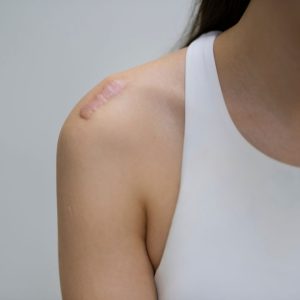
Keloids are often stubborn and frustrating, but with the right combination of medical care and at‑home habits, you can significantly reduce their unwanted appearance while lowering the risk of new scars forming.
Keloids are thick, raised scars that grow beyond the original area of skin injury due to excess collagen production during healing. They may appear firm, smooth, or rubbery and can be pink, red, or darker than the surrounding skin.
What Causes Keloids to Grow?
Keloids can develop for a variety of reasons, and understanding what triggers their growth is the first step toward prevention and effective treatment. Below are some of the most common causes that may lead to the formation of keloids, helping you recognize risk factors and make informed choices about skin care.
Common triggers include:
- Ear or body piercings
- Surgical incisions
- Cuts or lacerations
- Acne breakouts
- Burns or traumatic injuries
Keloids can cause itching, tenderness, pain, and cosmetic concern, especially on visible areas such as the ears, chest, shoulders, and jawline.
How Do Keloids Differ From Other Scars?
Not all raised scars are keloids, and understanding the difference helps you choose the right treatment.
Key distinctions include:
- Keloid scars: Extend beyond the original wound, may continue to grow over time, and often feel firm or lumpy
- Hypertrophic scars: Stay within the boundary of the original injury and may gradually improve
- Depressed (atrophic) scars: Sit below the surface of the skin, commonly seen after acne or chickenpox
At Réforme Dermatology & Aesthetics, your dermatologist carefully evaluates your scar type, medical history, and goals before recommending a treatment plan.
Can You Get Rid of Keloids Completely?
Keloids have a tendency to recur, so our treatment goal is typically to flatten, soften, and fade the scar while minimizing itching and discomfort rather than a permanent removal.
Realistic expectations typically include:
- Reduced height and thickness of the keloid
- Smoother texture and less firmness
- Lighter, less noticeable color
- Decreased irritation, itching, and tenderness
Because recurrence rates can be high, keloid care often works best with a combination of treatments and close follow‑up with a dermatologist experienced in scar revision.
How Does Réforme Dermatology Treat Keloid Scars?
Réforme Dermatology & Aesthetics in Mount Pleasant, SC offers customized scar treatments, including options for keloid scars. Double board‑certified dermatologist and Mohs surgeon Dr. Gabriella Vasile designs treatment plans tailored to your scar type, skin tone, and lifestyle.
Depending on your needs, your keloid treatment plan may include a medical evaluation of your scar’s cause, age, and growth pattern, in‑office procedures to flatten or revise the scar, and a staged approach with several sessions for best cosmetic results.
What In Office Treatments Help Improve Keloids?
Several of our treatments can significantly improve the size, color, and texture of keloid scars. Dr. Vasile may recommend one or a combination of the following, based on what is appropriate within the practice’s services.
Common approaches include:
- Intralesional injections (such as corticosteroids or combination medications) to soften and flatten the keloid over a series of visits
- Scar revision techniques to remove or refine problematic scar tissue, often used for select scars in conjunction with ongoing medical management
- Adjacent cosmetic procedures (for example, resurfacing treatments offered under cosmetic dermatology) to further blend the scar with surrounding skin when appropriate
We personalize your treatment with the number of necessary sessions, depending on your scar’s size, age, and response to therapy.

Schedule a Consultation
Explore the fully customizable and transformative dermatological treatments with double board-certified dermatologist and Mohs surgeon Dr. Gabriella Vasile, who combines her extensive knowledge of skin health with her passion for finding innovative reparative and preventative treatments. Dr. Vasile’s collaborative, personalized approach to skin health and vitality meets the specific needs of her patients by utilizing state-of-the-art technology, science-based skincare products, and peer and patient-reviewed techniques and treatments.
With a keen aesthetic eye and precision, Dr. Vasile creates balanced and natural results for a variety of aging and skin-related concerns while prioritizing patient comfort and safety. Schedule your consultation today and experience a self-esteem boost with beautiful, healthy, vibrant skin.
How Many Sessions Will I Need for a Keloid?
There is no standard schedule for keloid treatment. Dr. Vasile will consider several factors, including:
- Size, thickness, and location of the keloid
- How long the scar has been present
- Your skin tone and history of scarring
- How your skin responds to the first few treatments
Many individuals need multiple sessions spaced weeks apart to gradually improve a keloid while limiting side effects like pigment change or irritation. During your consultation at Réforme Dermatology, your provider will give you a realistic estimate of how many treatments may be needed to reach your goals.
What Can You Do at Home to Help Keloids?
While our in‑office treatments are critical to manage your keloid issue, you can supplement these procedures with daily habits to support healing and better long‑term results.
Helpful at‑home strategies include:
- Protecting scars from sun: Use a broad‑spectrum sunscreen, and cover the area when possible to prevent darkening.
- Avoiding trauma: Do not pick, scratch, or repeatedly irritate the area with clothing, jewelry, or pressure.
- Following your care plan: Use any recommended topical products exactly as directed and keep follow‑up visits.
- Monitoring changes: Let your dermatologist know early if you notice new growth, redness, or discomfort.
Dr. Vasile may also recommend specific medical‑grade skincare products to support barrier repair and scar health as part of your long‑term plan.
When Should You See a Dermatologist for a Keloid?
You should schedule a professional evaluation if you notice any of the following:
- A raised scar that continues to grow beyond the original injury
- Itching, burning, or pain in a scarred area
- A visible keloid on the face, neck, chest, or earlobes that bothers you cosmetically
- A history of keloids and a new wound, surgery, piercing, or acne outbreak
Prompt care can help slow progression, ease symptoms, and expand your options for an effective and aesthetic treatment plan.
Why Choose Réforme Dermatology for Keloid and Scar Care?
Scar revision is a core focus at Réforme Dermatology & Aesthetics, led by double board‑certified dermatologist and fellowship‑trained Mohs surgeon Dr. Gabriella Vasile.
What sets this practice apart:
- Comprehensive scar assessment for keloid, hypertrophic, and depressed scars
- Personalized treatment plans that align with your skin type, health history, and goals
- State‑of‑the‑art techniques in surgical and cosmetic dermatology
- A collaborative, patient‑centered approach focused on comfort, safety, and long‑term skin health
Dr. Vasile combines extensive expertise in skin cancer surgery and cosmetic dermatology to minimize, revise, and manage scars with precision and an eye for natural‑looking results.
Want to Learn More About Keloids?
If you are living with a keloid that affects your comfort or confidence, the next step is a thorough consultation with a board‑certified dermatologist.
To learn more about keloid and scar treatment options or to schedule an appointment with Dr. Gabriella Vasile, visit the surgical dermatology and scar treatment pages at Réforme Dermatology:
At Réforme Dermatology & Aesthetics, your visit includes a detailed scar evaluation and a discussion of your medical history, lifestyle, and cosmetic goals so your treatment plan fits you as an individual.