

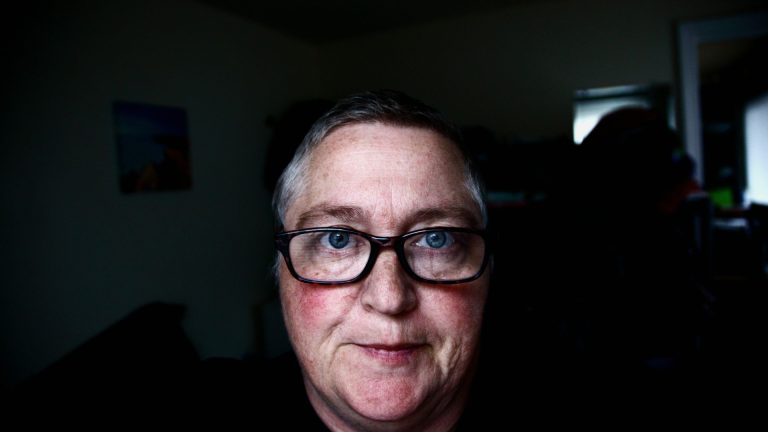
Rosacea is a chronic skin condition that affects an estimated 16 million people in the United States alone. The facial flushing and acne-like bumps are more prevalent among women and people with Northern European ancestry.
If you live with rosacea, you know how frustrating it can be to pinpoint what sets off a flare. Triggers can vary widely, making it challenging to manage. Common lifestyle and environmental factors may contribute to flare-ups. Partnering with a double board-certified dermatologist like Dr. Gabriella Vasile is one way to identify your triggers and restore a smooth, even-toned complexion.
Types of Rosacea
Rosacea isn’t one-size-fits-all. There are four types with different symptoms and treatment considerations.
- Erythematotelangiectatic rosacea causes telltale flushing on the cheeks, chin, or forehead. It can also present with broken capillaries around the nose and cheeks.
- Papulopustular rosacea resembles acne, with red, pus-filled bumps called papules and small pimples called pustules. If you suspect you have it, see Dr. Vasile to ensure you receive the correct diagnosis and effective remedies.
- Phymatous rosacea is rare, but typically appears on the nose. Your skin may take on a thick, bumpy, orange-peel texture that can appear red and inflamed.
- Ocular rosacea occurs in the eyes, giving them a red and irritated appearance with dryness and sometimes light sensitivity.
Many people experience more than one type of rosacea simultaneously. Early diagnosis and a personalized treatment plan from Dr. Vasile are the best ways to manage your symptoms and slow the progression.
Well-Known Rosacea Triggers
Lifestyle factors like diet, climate, skincare products, activity levels, and stress can cause rosacea flares for many people.
- Exercise: Vigorous workouts often cause flushing in those with rosacea. This redness is usually temporary and fades as your body cools down.
- Spicy foods: Ingredients like capsaicin (found in chili peppers) can dilate blood vessels and trigger facial flushing. If spicy meals tend to cause flare-ups, consider dialing back the heat.
- Alcohol: Alcohol – especially red wine – can cause vasodilation, increasing blood flow to the face and worsening redness for many rosacea sufferers.
- Skincare products: Specific ingredients may irritate sensitive skin. Common culprits include alcohol, natural or synthetic fragrances, essential oils, chemical exfoliants, and even squalene. Choosing gentle, fragrance-free products with minimal ingredients can reduce the risk of a reaction.
- Weather extremes: Hot and cold temperatures can aggravate rosacea. Wind, sun exposure, and sudden temperature changes may also contribute to flare-ups, so monitor your skin as the seasons shift.
- Stress: Emotional stress is a well-known trigger. While it’s not always avoidable, techniques like deep breathing, regular exercise, or mindfulness can reduce its impact on your skin.
How Do I Identify My Triggers?
Because rosacea affects everyone differently, discovering your triggers often takes time and careful observation. Keeping a daily journal is one of the most effective ways to track patterns. Record what you eat, your activities, weather conditions, skincare products, and stress levels. Over time, you may notice which factors consistently lead to flare-ups.
If you’re going through a particularly stressful period, pay close attention to changes in your skin and write them down. Practices like yoga, meditation, or deep breathing can reduce stress and support your body’s natural healing response.
When testing new skincare or makeup products, introduce them one at a time and monitor your skin’s reaction. This gradual approach makes it easier to identify potentially problematic ingredients. Look for formulas with minimal ingredients and avoid known irritants like alcohol, fragrance, and harsh exfoliants.
Consistently tracking your daily ups and downs and making small, mindful adjustments will equip you to manage rosacea and reduce flare-ups over time.
Effective Rosacea Treatment Options
While there’s no cure for rosacea, working with a skilled dermatologist like Dr. Vasile can make a significant difference, especially if you keep experiencing flare-ups despite following healthy lifestyle habits. She may recommend topical products with calming ingredients such as azelaic acid, aloe, and ceramides to support your skin barrier and reduce inflammation. For more persistent symptoms, she can prescribe low-dose antibiotics, which have helped many patients manage redness and bumps.
Dr. Vasile also offers UltraClear laser therapy, a cutting-edge treatment designed to smooth redness and restore a more even skin tone. This gentle, non-invasive option is ideal for patients seeking visible improvement without downtime.
Beyond topical care, gut health also influences skin wellness. A balanced microbiome can regulate inflammation, which may positively impact rosacea. Eating a nutrient-rich diet full of fruits and vegetables, staying hydrated, and avoiding known dietary triggers can support clearer skin from the inside out.
Daily sun protection is paramount. Dr. Vasile recommends physical sunscreens with zinc oxide, which are less likely to irritate sensitive skin. Many modern formulas include skin-friendly ingredients and layer well under makeup, making it easier to protect your skin while looking your best.
Ready to Explore Treatment Options for Your Rosacea?
If you’re searching for a double board-certified dermatologist in the greater Charleston, SC, area, Dr. Vasile treats rosacea using a thorough, science-backed approach combined with individualized patient care. When you meet with her, you can expect a holistic approach that includes a discussion about your skincare regimen, diet, and lifestyle factors to develop a customized treatment plan.
Schedule your consultation with our team at Réforme Dermatology & Aesthetics by calling us at (843) 974-1230 or completing our online contact form, and a member of our team will reach out soon.